


Frontend development is one of the most in-demand skills in the tech industry, and in 2026 the demand is only increasing. If you want to become a professional frontend developer, you must follow a clear, structured frontend roadmap instead of randomly learning tools.
This guide explains the complete frontend developer roadmap, covering HTML, CSS, JavaScript, frameworks, Git, and internet fundamentals in a simple and practical way.
What Is Frontend Development?
Frontend development focuses on everything users see and interact with on a website or web application. This includes layout, design, responsiveness, animations, forms, and user experience.
A frontend developer converts designs into functional, responsive, and interactive web pages using core web technologies.
Step 1: Internet Basics (Foundation Layer)
Before writing any code, you must understand how the internet works.
Key concepts to learn:
- How websites load in a browser
- What is a domain name
- How hosting works
- Client vs server concept
- HTTP vs HTTPS
Understanding internet fundamentals helps you debug issues and build production-ready websites.
Step 2: HTML – Structure of the Web
HTML (HyperText Markup Language) is the skeleton of any website. Every frontend developer must master HTML first.
Core HTML topics:
- Elements and attributes
- Headings, paragraphs, links
- Forms and inputs
- Lists and tables
- Images and iframes
- IDs and classes
HTML gives structure and meaning to your content, which is critical for SEO and accessibility.
Step 3: CSS – Styling & Layout
CSS (Cascading Style Sheets) controls how your website looks. Without CSS, websites would be plain text pages.
Important CSS concepts:
- Margin and padding
- Fonts and colors
- Borders and icons
- Flexbox and Grid
- Animations and transitions
- Z-index and overflow
- Responsive design
Strong CSS skills help you create modern, mobile-friendly layouts that users love.
Step 4: CSS Frameworks (Faster UI Development)
Once CSS basics are clear, frameworks speed up development.
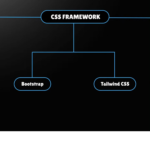
Popular CSS frameworks:
- Bootstrap – component-based and beginner-friendly
- Tailwind CSS – utility-first and modern
Frameworks help maintain consistency and improve productivity in real projects.
Step 5: JavaScript – Making Websites Interactive
JavaScript brings logic and interactivity to frontend applications.
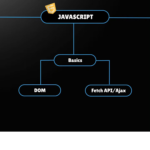
Core JavaScript topics:
- Variables and functions
- DOM manipulation
- Events and user interactions
- Fetch API and AJAX
- Basic asynchronous concepts
JavaScript is mandatory for frontend jobs and is the gateway to advanced frameworks.
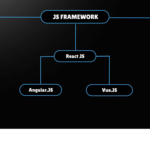
Step 6: JavaScript Frameworks & Libraries
Modern frontend development relies heavily on frameworks.
Common options:
- React JS – most popular and industry-preferred
- Angular – enterprise-level applications
- Vue JS – lightweight and flexible
Learning one major framework well is better than touching all of them superficially.
Step 7: Git & Version Control
Git is essential for team collaboration and project management.
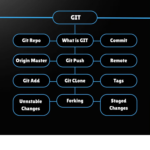
Must-know Git concepts:
- Git repository
- Git add, commit, push
- Git clone and fork
- Remote and origin
- Staged vs unstaged changes
- Tags and branches
Every professional frontend developer is expected to know Git.
Why This Frontend Roadmap Works in 2026
This roadmap is effective because:
- It follows industry standards
- It builds strong fundamentals
- It avoids tool confusion
- It prepares you for real projects
- It aligns with hiring requirements
Instead of jumping directly to frameworks, this roadmap ensures long-term career stability.
Who Should Follow This Frontend Roadmap?
This roadmap is ideal for:
- Beginners with no coding background
- College students
- Career switchers
- IT freshers
- Self-taught developers